



Plan, apply for and comment on development in Dartmoor National Park.
Find out whether your project needs planning permission, search and comment on planning applications, and read guidance on heritage, trees and the landscape.
-
Do I need planning permission?
Find out whether your project needs planning permission, and how to apply.
Check permission -
Search for an application
Search planning applications online by application number, street name, parish or area.
Search applications -
Planning advice
The Authority offers a Pre-application Advice service and a Lawful Development Certificate, depending on what you need.
Planning advice -
Planning enforcement
Planning enforcement helps protect Dartmoor National Park’s landscape, buildings and environment.
Enforcement
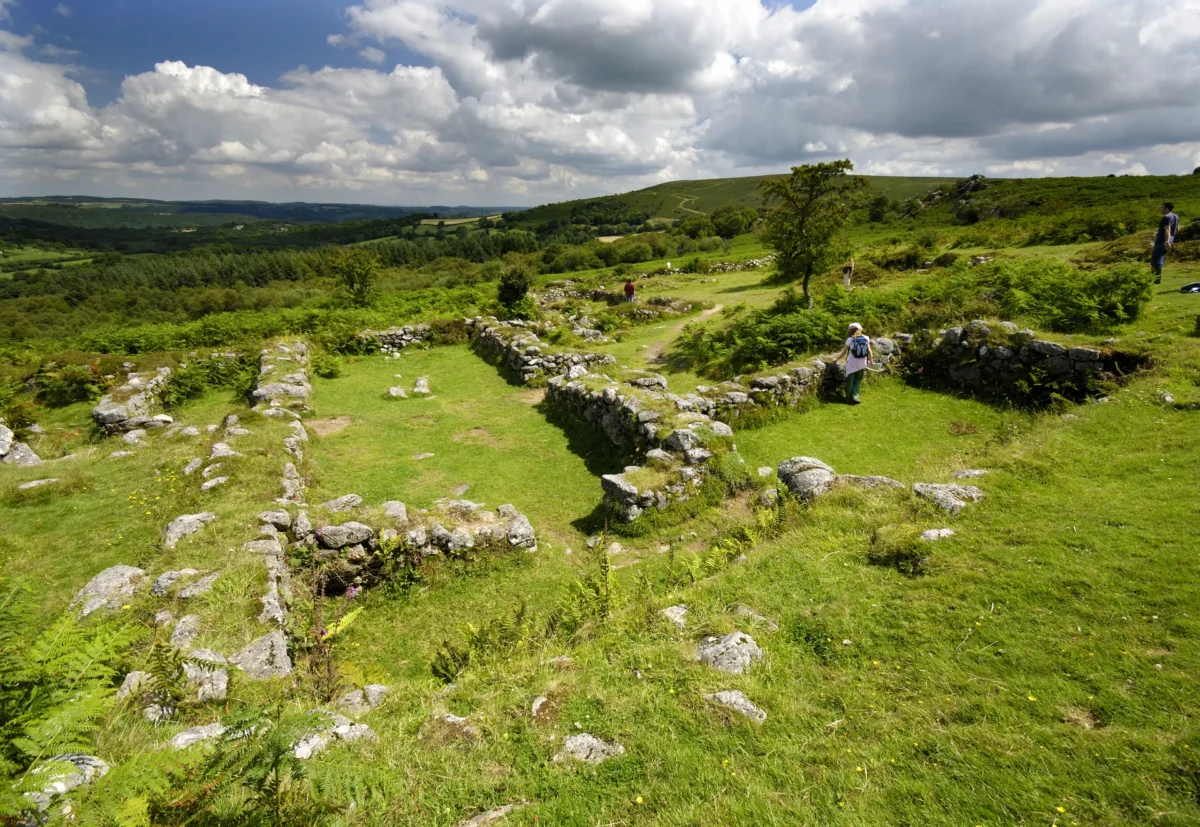
A landscape rich in history
There are also many historic buildings and features which are not statutorily designated, but can be of equal significance and worthy of conservation.
- listed buildings
- 2,750
- ancient scheduled monuments
- 1,082
- Conservation Areas
- 25

Shaping Dartmoor’s next Local Plan
The Local Plan is the Authority’s most important planning document and is used to make decisions on planning applications and guide future development in the National Park.
Historic buildings and archaeology
Listed Buildings are afforded statutory protection because of their architecture and/or historic interest.
Learn how to research your property’s history.
Landscape, trees and hedgerows
Dartmoor National Park is recognised as one of the UK’s finest protected landscapes, valued for its beauty, tranquillity and cultural heritage.
When preparing a planning application, it is important to consider how a proposal may affect the landscape.